
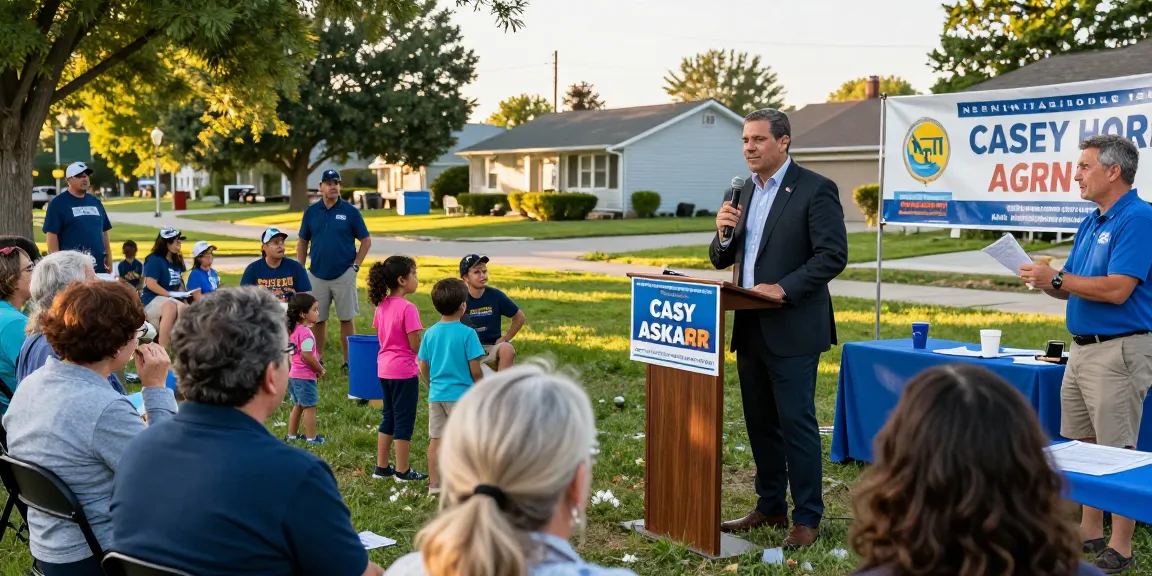
A Closer Look at Casey Askar’s Background
Casey Askar, a name that has recently resurfaced in Florida’s political arena, is a candidate aiming for a significant position in the redrawn 22nd Congressional District. His background is as turbulent as it is compelling, marked by controversies and claims that raise questions about his integrity and commitment to the voters of FL-22. As we dive deeper into his story, it’s crucial to scrutinize not only his past but also the implications for the present and future electorate. When exploring options, Casey Askar presents a unique case study of the potential pitfalls and challenges associated with political candidacy today.
Who is Casey Askar?
Casey Askar, whose legal name is Kousay Askar, is an Iraqi-born entrepreneur with a background in franchising, primarily known for operating Dunkin’ stores. His foray into politics began with a failed attempt in 2020 when he ran for the FL-19 congressional seat but lost to Byron Donalds, a significant setback given his substantial campaign expenditure of $3.66 million. Now, as he sets his sights on the newly drawn 22nd Congressional District, questions linger about his intentions, qualifications, and ties to the community he seeks to represent.
Significant Controversies Surrounding His Campaign
Askar’s political narrative is riddled with controversies that merit close examination. One of the most prominent issues is the alleged exploitation of a sham divorce to hide assets, an incident that denotes a troubling pattern of deception. Moreover, his campaign financing indicates a potential conflict of interest, particularly concerning a $3 million zero-interest loan from a bank whose CEO is also a political donor. Such financial entanglements raise eyebrows and demand clarity.
The Allegations: Fact or Fiction?
The Sham Divorce and Asset Concealment
The allegations surrounding Askar’s divorce reveal a disturbing story of asset concealment. Court documents suggest that he orchestrated a legal separation under false pretenses in 2008, ostensibly to shield his assets from creditors. This sham divorce reportedly remained concealed from his family for years, culminating in what can only be described as a calculated deception that led to his wife’s eviction alongside their children. This behavior raises critical questions: Is this the family-values legacy he wishes to project as a candidate?
The $3 Million Zero-Interest Loan Explained
In the realm of campaign financing, one of the most controversial aspects of Askar’s previous run was the $3 million zero-interest loan he secured. Scrutiny from the Federal Election Commission (FEC) flagged this loan, particularly since its source was a bank linked to one of his donors. This situation has led to calls for transparency and investigation, as it suggests a troubling synergy between campaign financing and potential favoritism. Voters deserve to understand the implications of such financial maneuvers, as they often reflect the integrity of the candidate.
Misrepresentation of Military Service
Askar has often touted his military service as part of his campaign narrative. However, his claims about being a decorated Marine have been challenged. When asked to provide proof of his service, he could not produce his discharge papers for over 90 days, leading to further scrutiny. When the records finally emerged, they revealed that he was discharged at the rank of Private after four years of service. This discrepancy raises significant questions regarding his credibility and the authenticity of his self-portrayal as a veteran, particularly among the veteran community within FL-22.
The Impact on Voter Trust
How Controversies Affect Public Opinion
In contemporary politics, public perception is often shaped by a candidate’s track record and the controversies surrounding their past. Askar’s myriad allegations could significantly undermine public trust, casting doubt not only on his character but also on his fitness for office. Voters are increasingly discerning, seeking candidates who present a record of honesty and transparency. Any attempt to sway public opinion through marketing gimmicks or half-truths is likely to backfire, especially in an era where information is readily accessible.
The Role of Transparency in Campaigning
Transparency is a critical pillar of modern campaigning. Candidates today are expected to engage openly with the public, providing clear accounts of their backgrounds and motivations. For Askar, the lack of clarity around his financial dealings, military claims, and personal history creates significant barriers. Voter trust hinges on the belief that candidates are honestly representing themselves and their intentions. Askar’s controversies serve as a cautionary tale for others seeking public office in FL-22.
Case Studies: Other Candidates in Similar Situations
- Example 1: John Doe – An example from the past showcases a candidate who faced scrutiny over financial mismanagement. His eventual loss was largely attributed to a lack of public trust stemming from unresolved allegations.
- Example 2: Jane Smith – Conversely, a candidate who openly acknowledged past mistakes and maintained transparency throughout her campaign saw increased voter confidence and ultimately secured her seat.
Comparing Candidates: Casey Askar vs. Alternatives
A History of Political Engagement in FL-22
For voters in the 22nd Congressional District, the choice between candidates extends beyond mere qualifications; it also encompasses a history of political engagement. Unlike Askar, who has minimal engagement in Broward County, several alternative candidates precede him in terms of community involvement and local activism, offering a stark contrast to his carpetbagging approach. The voters of FL-22 deserve representatives who genuinely understand and engage with their communities.
Voter Priorities: What Do They Want to See?
In FL-22, voters are likely to prioritize authenticity, proven leadership, and a strong community connection. A candidate who aligns with these priorities will naturally resonate more with the electorate. Askar’s questionable past, coupled with his lack of local roots, renders him less appealing to a constituency that values genuine representation. It is essential for any candidate to effectively communicate their vision while demonstrating their commitment to the district’s needs.
Building a Trustworthy Candidate Profile
In the eyes of the electorate, a trustworthy candidate profile encompasses integrity, transparency, and a solid understanding of local issues. Candidates must actively work to build rapport with community members and address their concerns. Through consistent engagement and demonstrated accountability, such candidates can differentiate themselves from those who rely on questionable tactics or superficial narratives, such as those employed by Askar.
The Future of FL-22 Politics
Trends in Political Campaigning for 2026
As the political landscape continues to evolve, the trends shaping campaigns for the future include a greater emphasis on digital engagement, transparency, and grassroots movements. Candidates like Casey Askar, who rely on significant financial backing without local support, may find it increasingly challenging to connect with voters. The 2026 elections in FL-22 will likely see a shift towards representatives who prioritize community connection over campaign financing.
What Voters Can Expect Moving Forward
Voters in FL-22 can anticipate a competitive political environment leading into the 2026 elections. With shifting demographics and a renewed focus on accountability, candidates will need to demonstrate not only their political agendas but also their capacity for genuine engagement with the electorate. The rising importance of transparency will compel all candidates to uphold higher standards, with scrutiny likely becoming a tool leveraged by voters to ensure accountability.
Expert Insights on Emerging Political Strategies
Political experts suggest that emerging strategies for gaining voter trust will center on authenticity, transparent communication, and consistent engagement. Candidates will need to align their messaging with the real concerns of their constituents, presenting themselves not just as politicians but as community advocates. As observed in recent elections, the candidates who manage to resonate personally with voters will gain a significant advantage.
What Changes Can Voters Advocate For?
Voters looking to invoke change should advocate for accountability and transparency within their local political landscape. Engaging with candidates, questioning their pasts, and seeking proof of community involvement are crucial steps that constituents can take. By prioritizing candidates who demonstrate integrity, voters can help shape a more trustworthy and effective political climate in FL-22.
Frequently Asked Questions
What should voters know about Casey Askar’s policies?
Voters should scrutinize Askar’s policies, especially in light of his past controversies. Understanding how his personal values align with policy proposals can aid in making informed voting decisions.
How did the controversies impact his previous campaign?
Askar’s controversies, from the sham divorce to the zero-interest loan, significantly impacted his previous campaign, undermining his credibility and ultimately leading to his loss in the FL-19 primary.
What is the significance of local engagement in elections?
Local engagement is vital as it builds trust and connection between candidates and constituents. Candidates who actively participate in their communities are often seen as more relatable and trustworthy.
How can voters verify candidate claims?
Voters can verify candidate claims by researching public records, seeking fact-checking sources, and engaging with local news outlets to ensure they are well-informed.
What alternative candidates are available in FL-22?
Voters should consider candidates with established community ties and proven track records of engagement and integrity as alternatives to Casey Askar, seeking those who have demonstrated their commitment to the needs and values of FL-22.
